
What the MUTCD Means for Work Zone Safety
MUTCD work zone safety is a major part of planning any project that affects traffic flow, roadway access, pedestrian movement, or public right-of-way. For contractors, municipalities, utility providers, and infrastructure teams, the MUTCD helps establish a consistent approach to signs, devices, lane closures, flagging operations, and temporary traffic control.
Work zones are temporary by nature, but they still need to be clear, predictable, and properly managed. Drivers should be able to understand what is happening before they reach the work area. Workers need space and protection to do the job safely. A strong traffic control setup helps both sides of that equation.
What Is the MUTCD?
The MUTCD is the Manual on Uniform Traffic Control Devices. It is published by the Federal Highway Administration and establishes national standards for traffic control devices used on streets, highways, pedestrian facilities, bicycle facilities, and site roadways open to public travel.
The current official edition is the 11th Edition of the MUTCD with Revision 1, dated December 2025. For work zones, the MUTCD is especially important because it helps define how temporary traffic control should be planned and applied.
In plain terms, the MUTCD helps create consistency. A driver approaching a work zone in Virginia should see signs, devices, and traffic patterns that follow recognizable rules rather than a setup invented from scratch.
Why the MUTCD Matters for Work Zone Safety
Work zones already create unusual conditions. Lanes may shift, shoulders may close, equipment may enter and exit the roadway, and workers may be close to active traffic. Clear temporary traffic control gives drivers time to recognize the change, slow down, and move through the area correctly.
That consistency is one of the main reasons MUTCD work zone safety matters. Standardized signs, markings, channelizing devices, and flagging procedures help reduce confusion. When drivers understand what they are seeing, they are more likely to react properly.
For contractors and project managers, MUTCD-based planning also helps reduce risk. A work zone that is designed thoughtfully from the start is easier to manage, easier to inspect, and easier to adjust when field conditions change.
MUTCD Work Zone Safety and Temporary Traffic Control
Temporary traffic control, often shortened to TTC, is the part of traffic control that applies to short-term or changing conditions. This can include road construction, utility work, maintenance, incident response, special events, and other activities that temporarily affect normal traffic patterns.
The MUTCD describes temporary traffic control zones as having different parts, which may include an advance warning area, a transition area, an activity area, and a termination area. In practice, those areas help organize how drivers are warned, guided, moved past the work area, and returned to normal traffic flow.
Spivey Services provides traffic control services for projects that need safe, organized work zones. That can include traffic control planning, lane closures, detours, certified flagging crews, signage, barricades, arrow boards, message boards, and other work zone safety support.
Compliance Is More Than Having the Right Signs
One common mistake is thinking MUTCD compliance is only about using the correct sign. The sign matters, but it is only one part of the setup.
A compliant and effective work zone also depends on placement, visibility, spacing, device condition, traffic speed, road geometry, pedestrian access, timing, and how the work area changes throughout the project. A sign that is correct on paper may not be useful if it is placed too late, blocked from view, damaged, or unsupported by the rest of the traffic control layout.
This is where experience matters. Temporary traffic control has to work in the field, not just in a plan set. Weather, traffic volume, sight distance, intersections, driveways, and worker access can all affect how a setup performs once the project is active.
How MUTCD Standards Connect to Virginia Work Zones
For Virginia projects, MUTCD standards work alongside state-specific requirements. VDOT’s Virginia Work Area Protection Manual, or VWAPM, provides VDOT’s current requirements for the design, application, and implementation of temporary traffic control devices on VDOT roadways.
VDOT states that the VWAPM governs work zones and temporary traffic control zones on VDOT roadways, including construction, maintenance, utility, permit, special event, and emergency operations. It also serves as Part 6 of the Virginia MUTCD.
That local layer matters. A contractor working in Hampton Roads, Richmond, Roanoke, Chesapeake, or another Virginia region needs to think beyond general work zone concepts. The setup must account for the road, the authority having jurisdiction, the traffic control plan, and the specific requirements that apply to that project.
Traffic Control Devices Need to Work Together
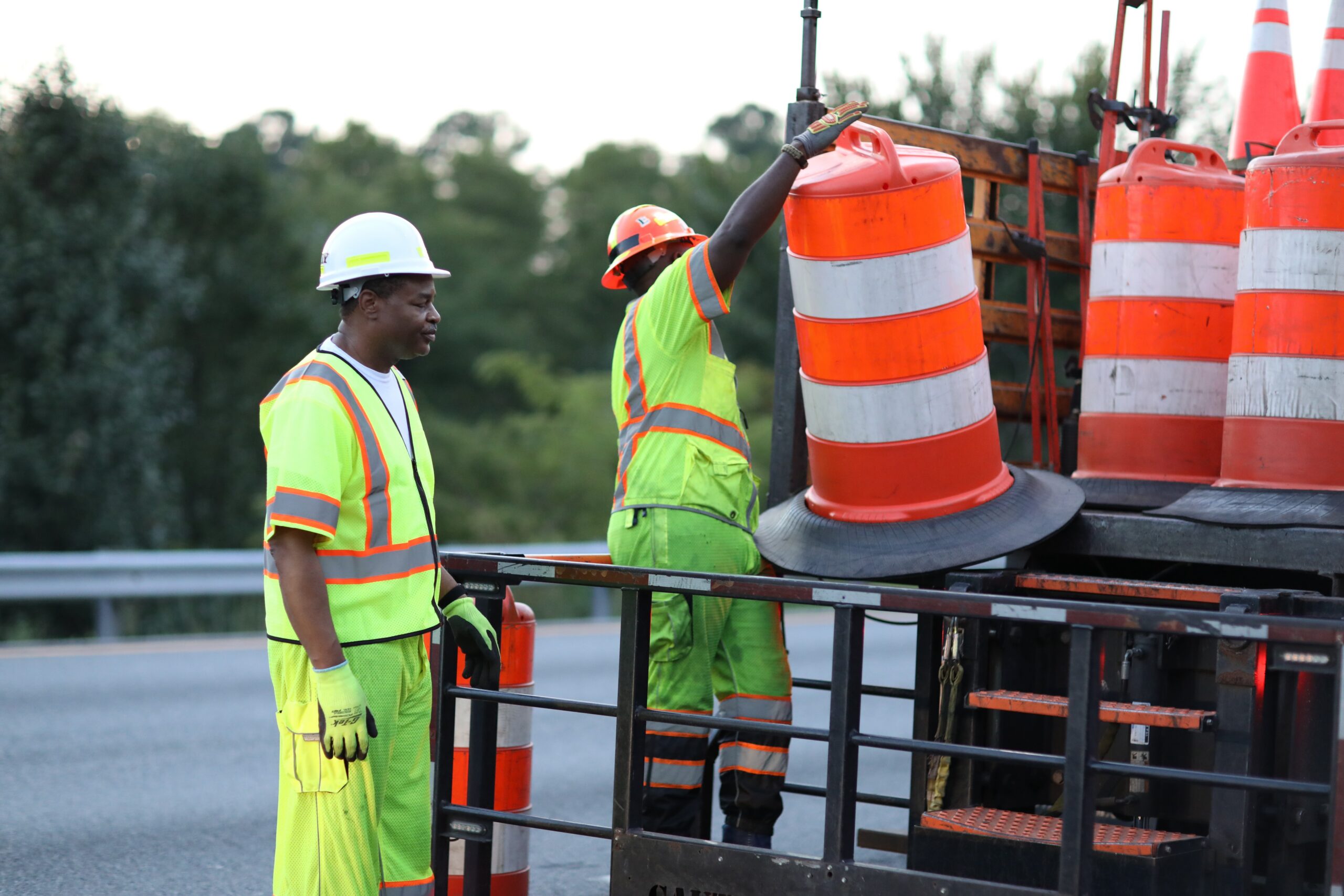
Traffic control devices are most effective when they operate as a system. Signs warn drivers. Cones, barrels, and barricades guide movement. Arrow boards and message boards communicate changing conditions. Flaggers provide real-time control when traffic patterns require direct human guidance. Truck-mounted attenuators can help protect crews working near active lanes.
Spivey offers traffic control equipment rentals for projects that need the right devices to support temporary traffic control. Equipment selection should be tied to the actual work zone conditions, not chosen as a generic package.
A short-duration utility repair may need a very different setup than a multi-phase road construction project. High-speed roads, intersections, pedestrian areas, and nighttime work all add different planning concerns.
Why Professional Traffic Control Support Matters
Contractors understand their work. A professional traffic control provider understands how to help that work happen safely around live traffic.
That support can include reviewing project needs, helping plan lane closures or detours, supplying signs and devices, providing certified flagging crews, and adjusting setups as work progresses. Spivey’s traffic control solutions are built around that practical jobsite reality: the plan needs to support the crew, protect the public, and keep traffic moving as safely and efficiently as possible.
For projects in Virginia, working with an experienced provider can also help teams account for MUTCD guidance, VDOT requirements, local traffic patterns, and the day-to-day challenges that appear once work begins.
Get Help Planning a Safer Work Zone
MUTCD work zone safety is about creating clear, consistent, and properly managed temporary traffic control. The right plan and equipment help protect workers, guide drivers, support compliance, and reduce confusion around active work areas.
If your project involves lane closures, roadway work, utility activity, detours, flagging operations, or traffic control equipment, Spivey Services can help you plan the right setup. To discuss your project, visit Get a Quote.
Frequently Asked Questions
What does MUTCD mean?
MUTCD stands for Manual on Uniform Traffic Control Devices. It establishes national standards for traffic control devices such as signs, markings, signals, and temporary traffic control devices.
Why is the MUTCD important for work zones?
The MUTCD helps make work zones more consistent and predictable. That helps drivers understand changing traffic patterns and helps crews maintain safer conditions around active work areas.
Does Virginia have its own work zone requirements?
Yes. Virginia uses the Virginia Work Area Protection Manual, or VWAPM, which provides VDOT’s current requirements for temporary traffic control devices on VDOT roadways.
Do all work zones need a traffic control plan?
Many projects that affect traffic flow, public access, or roadway conditions require some form of traffic control planning. The scope depends on the project, road conditions, local requirements, and the authority overseeing the work.