
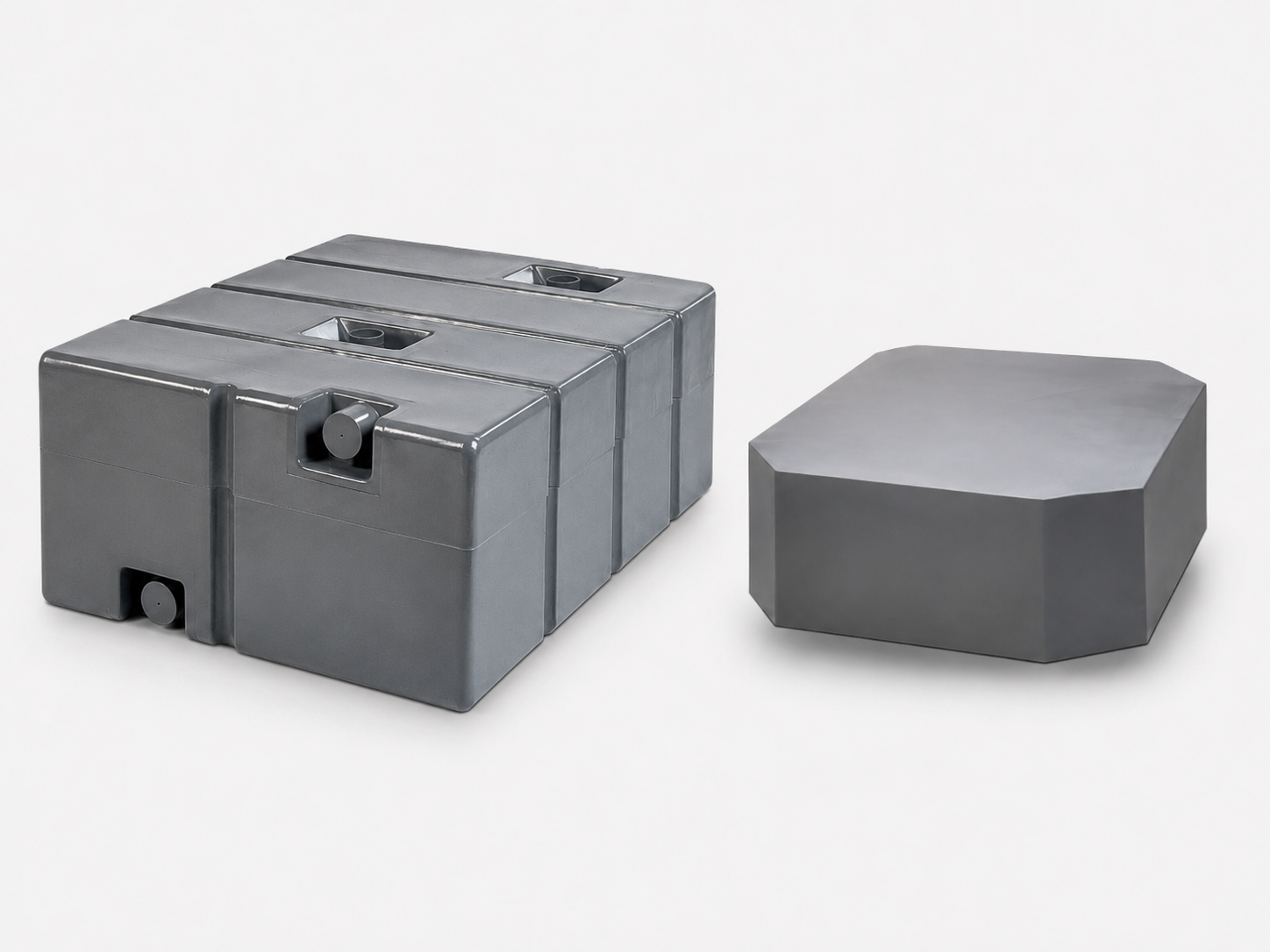
Holding tank rental is an important part of temporary sanitation planning when indoor plumbing is not available or when a site needs additional waste storage capacity. Portable toilets, restroom trailers, shower trailers, sinks, jobsite trailers, and temporary facilities all depend on proper waste or water management to keep the setup clean, functional, and serviceable.
For construction sites, events, emergency response locations, and remote work areas, a holding tank can make the difference between a basic sanitation setup and one that can support people reliably over time. The right tank helps store waste safely until it can be serviced and removed by a professional provider.
What Is a Holding Tank Rental?
A holding tank is a temporary storage tank used to collect wastewater or support portable sanitation equipment where permanent plumbing is not available. In practical terms, it gives a site a way to manage waste or water needs without relying on an existing sewer connection.
Spivey Services offers holding tank rental options that support portable restrooms, sinks, shower units, jobsite trailers, emergency sites, and outdoor event setups. Their holding tanks are designed to be functional and discreet, helping keep sanitation systems operating properly without creating unnecessary clutter around the site.
Holding tanks are especially useful for longer rentals or locations where waste storage needs are greater than what a standard portable unit can handle on its own.
When a Site Needs a Holding Tank
Holding tanks are commonly used when a temporary site needs reliable wastewater storage but does not have access to indoor plumbing. This can include construction projects, outdoor rest areas, jobsite trailers, RV areas, food service trailers, workshops, lunchrooms, special events, and emergency relief sites.
They are also useful when portable sanitation equipment will be used for an extended period. A short event may only require standard portable toilets and regular servicing. A longer project or more complex setup may need additional storage capacity so the equipment can function properly between service visits.
For sites that use portable toilet rentals, holding tanks can help create a more complete sanitation setup, especially when the rental is long-term or when standard plumbing is unavailable.
Choosing the Right Tank Size
The right tank depends on the type of equipment being used, the expected volume, and how often the site will be serviced. Spivey offers both 150-gallon and 250-gallon holding tanks for waste storage needs. The larger 250-gallon option allows for greater capacity, while the 150-gallon tank can be a practical choice for smaller or more space-sensitive setups.
A 150-gallon holding tank may work well for jobsite trailers, RVs, emergency relief effort camps, or other locations where reliable outdoor waste storage is needed but space is limited. A 250-gallon holding tank may be a better fit when maximum waste storage is needed for longer rentals or higher-usage environments.
The goal is not simply to choose the largest tank available. The goal is to match the tank to the site’s real use so waste storage, service access, and equipment placement all work together.
How Holding Tanks Support Restroom and Shower Trailers
Restroom trailers and shower trailers often need more planning than standard portable toilets because they may require water, power, wastewater storage, and service access. A holding tank can help support these setups when plumbing is unavailable or when the site needs temporary capacity.
Spivey’s restroom and shower trailer options can be used for events, long-term projects, temporary facilities, and remote sites. When these units are paired with the right water and waste storage setup, they can provide a cleaner and more comfortable experience for guests, workers, or crews.
Spivey also offers a 250-gallon water tank that can be used with portable showers, portable sinks, and freshwater-flush portable toilets. That water tank can work alongside a 250-gallon holding tank to support a more complete sanitation system.
Holding Tanks for Portable Sinks and Hand Wash Stations
Handwashing is often part of a complete temporary sanitation plan. Portable sinks and hand wash stations need fresh water supply and wastewater management, especially on sites without plumbing access.
For job sites and events, hand wash station rental helps support hygiene and convenience. Holding tanks and water tanks can help keep those stations operating properly where permanent water or drainage is not available.
This is especially important for food service areas, construction sites, multi-day events, and temporary facilities where people need dependable handwashing throughout the day.
Waste Storage and Environmental Planning
Temporary waste storage should be handled carefully. Wastewater needs to be contained, serviced, and removed properly to protect the site and maintain sanitary conditions. That is why placement, service access, and the right tank capacity should be planned before equipment arrives.
The EPA provides technical information and guidance related to onsite wastewater treatment and disposal systems, including design, operation, and maintenance considerations. You can review their resources here: EPA septic systems guidance and manuals.
While every temporary site is different, the principle is the same: wastewater should be stored and managed in a way that keeps the site safe, clean, and serviceable.
Placement and Service Access Matter
A holding tank should be placed where it can support the equipment it serves while still allowing safe access for service. Tanks should be positioned on stable ground, away from high-traffic paths when possible, and in a location that does not interfere with vehicles, workers, guests, or event flow.
Service access is just as important as initial placement. If a tank cannot be reached easily, pumping and maintenance become harder. That can lead to avoidable delays or sanitation problems, especially on long-term projects.
For sites with portable toilets, sinks, trailers, or other sanitation equipment, Spivey’s toilet accessories can also help support a cleaner and better-organized setup.
Work With a Provider That Understands Temporary Sanitation
Holding tank rental should be planned as part of the full sanitation setup, not as an afterthought. The tank needs to match the equipment, the site layout, the expected use, and the service schedule.
An experienced provider can help determine whether a 150-gallon tank, 250-gallon tank, water tank, or combination of equipment makes the most sense. They can also help coordinate delivery, placement, and service so the system works properly throughout the rental period.
Get Holding Tank Rental for Your Site or Event
If your site needs temporary waste storage, freshwater support, or sanitation equipment without access to permanent plumbing, holding tank rental can help keep the setup clean and functional. The right equipment supports portable toilets, sinks, restroom trailers, shower trailers, jobsite trailers, and other temporary facilities.
Spivey Services provides holding tanks, water tanks, portable toilets, hand wash stations, restroom trailers, and sanitation accessories for projects across Virginia. To plan your setup or request pricing, visit Get a Quote.
Frequently Asked Questions
What is a holding tank used for?
A holding tank is used to temporarily store wastewater where permanent plumbing or sewer access is not available. It can support portable restrooms, sinks, trailers, RVs, jobsite trailers, and temporary facilities.
What size holding tanks are available?
Spivey Services offers 150-gallon and 250-gallon holding tank options. The right size depends on the equipment being used, expected volume, available space, and service schedule.
Can holding tanks be used with restroom or shower trailers?
Yes. Holding tanks can help support restroom and shower trailers when wastewater storage is needed. Water tanks may also be used with portable showers, portable sinks, and freshwater-flush portable toilets.
Do holding tanks need to be serviced?
Yes. Holding tanks need to be pumped and maintained based on usage. Service frequency depends on tank size, the number of users, the type of equipment connected, and how long the rental will last.