
Hampton Roads traffic control projects require careful planning because the region’s roadways carry a mix of commuters, commercial traffic, tourists, military traffic, port activity, and construction work. A lane closure or utility project that may seem straightforward on paper can quickly become complicated when it affects a busy corridor, bridge approach, tunnel route, or urban street.
For contractors, municipalities, and utility providers, traffic control is about more than placing cones around a work area. It takes planning, trained crews, proper equipment, and a clear understanding of how traffic moves through the region. When the setup is done correctly, workers stay better protected, drivers have clearer guidance, and projects can move forward with fewer disruptions.
Why Hampton Roads Traffic Control Projects Need Local Planning
Hampton Roads has its own set of roadway challenges. Between Chesapeake, Norfolk, Virginia Beach, Portsmouth, Hampton, Newport News, and surrounding communities, traffic conditions can change quickly based on time of day, weather, events, bridge openings, tunnel delays, and major construction activity.
That makes local planning important. A traffic control setup needs to account for traffic volume, driver expectations, visibility, pedestrian movement, access points, and how long the work will affect the roadway. Spivey Services provides traffic control services for projects across Virginia, including Hampton Roads work zones that require practical planning and reliable execution.
In a region where many routes already operate under heavy demand, a poorly planned closure can create confusion quickly. Clear signage, proper taper lengths, trained flaggers, and the right equipment help reduce that risk.
What Traffic Control Services Include
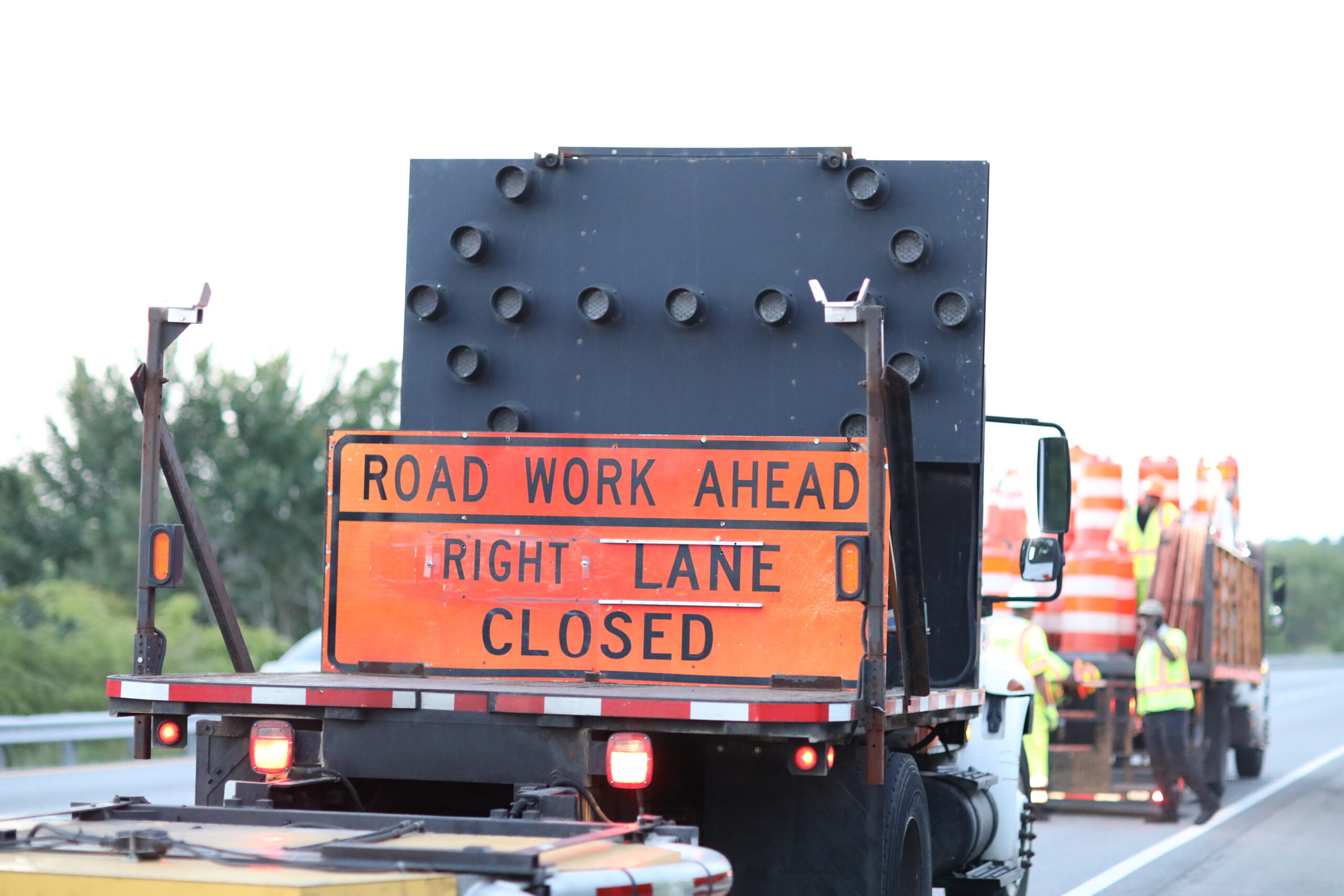
Traffic control services can include temporary traffic control plans, lane closures, detours, certified flagging crews, signage, barricades, cones, message boards, arrow boards, and truck-mounted attenuators. The right combination depends on the road, the type of work, the speed of traffic, and the duration of the project.
For a short utility repair, the setup may involve flaggers, temporary signs, and channelizing devices. For a larger infrastructure project, it may require phased traffic control, advance warning systems, detour coordination, and ongoing adjustments as work progresses.
Spivey’s traffic control support is designed for contractors, municipalities, and project teams that need safe and organized work zones without having to coordinate every piece separately.
Traffic Control Plans and Virginia Work Zone Requirements
A traffic control plan outlines how vehicles, pedestrians, workers, and equipment will move through or around a work zone. It may include signs, lane shifts, closures, flagging operations, detours, and protective equipment based on the conditions of the site.
In Virginia, temporary traffic control is guided by VDOT requirements and national standards. VDOT’s Virginia Work Area Protection Manual and Pocket Guide provides current requirements for the design, application, and placement of temporary traffic control devices in Virginia work zones.
For Hampton Roads projects, compliance matters because many jobs affect public roads, utility corridors, active intersections, or high-volume routes. A properly planned setup helps contractors avoid unsafe conditions, project delays, and unnecessary conflicts with roadway users.
Equipment Used in Hampton Roads Work Zones
Traffic control equipment needs to be matched to the conditions of the site. Cones and signs may be enough for some low-speed work areas, while higher-speed roads or more complex closures may require arrow boards, message boards, barricades, and attenuator trucks.
Arrow boards and message boards help drivers understand what is changing before they reach the work area. Barricades and channelizing devices guide traffic through the correct path. Truck-mounted attenuators help protect crews working near active traffic, especially where vehicles are moving at higher speeds.
Spivey also offers traffic control equipment rentals for projects that need specific devices, added visibility, or scalable support for changing work zones.
When Certified Flagging Crews Are Needed
Flaggers are often needed when traffic must be directed through a temporary pattern, alternating lane, work entrance, or short-duration closure. Their role is especially important when drivers need real-time guidance instead of relying only on signs and devices.
In Hampton Roads, flagging may be needed for utility work, road maintenance, construction access, municipal projects, and emergency repairs. Flaggers help maintain order where traffic patterns are changing or where crews are working close to vehicles.
Good flagging depends on training, visibility, communication, and positioning. A flagger should not simply be present on-site. They need to be part of a coordinated traffic control setup that gives drivers enough time to react safely.
Planning for Bridges, Tunnels, and Busy Corridors
Hampton Roads traffic is shaped by bridges, tunnels, water crossings, military facilities, ports, and major commuter routes. These conditions can make traffic control more sensitive than in areas with simpler roadway networks.
Even a small disruption can have a larger effect when alternate routes are limited or traffic is already compressed. That is why planning should account for the surrounding network, not just the exact work area. Contractors should consider peak travel times, nearby intersections, business access, pedestrian activity, and emergency vehicle movement.
When a project affects a route that drivers depend on heavily, communication and consistency become even more important. Clear setup and proper equipment help drivers make decisions early instead of reacting at the last second.
Full Site Support for Construction and Infrastructure Projects
Many Hampton Roads projects require more than traffic control alone. Roadwork, utility projects, municipal jobs, and commercial construction may also need portable sanitation, hand wash stations, or other temporary site support.
Spivey provides both traffic control and sanitation services, which can simplify planning for contractors managing multiple site needs. Teams that need restroom access for crews can review Spivey’s portable toilet rental options as part of a broader project setup.
Having one provider support multiple parts of the job can reduce coordination headaches, especially for long-term projects or sites with changing phases.
Get Traffic Control Support in Hampton Roads
If your project affects traffic flow, pedestrian access, lane use, or public right-of-way, traffic control should be planned early. The right setup helps protect workers, guide drivers, reduce confusion, and support compliance with Virginia work zone requirements.
Spivey Services supports contractors, municipalities, utility providers, and infrastructure teams throughout Hampton Roads and across Virginia. To discuss your project, equipment needs, or lane closure support, visit Get a Quote.
Frequently Asked Questions
What does traffic control in Hampton Roads include?
Traffic control may include temporary traffic control plans, lane closures, detours, flagging crews, signs, cones, barricades, arrow boards, message boards, and attenuator trucks depending on the project.
When do I need professional traffic control services?
Professional traffic control is usually needed when work affects a roadway, shoulder, sidewalk, public access point, or traffic pattern. This includes construction, utility work, maintenance, municipal projects, and some events.
Why is traffic control planning important in Hampton Roads?
Hampton Roads has busy corridors, bridges, tunnels, ports, military traffic, and commuter routes. Careful planning helps reduce confusion and keeps work zones safer for both crews and drivers.
Can Spivey provide traffic control equipment rentals?
Yes. Spivey provides traffic control equipment rentals such as signs, barricades, arrow boards, message boards, and other work zone safety equipment for project needs.