
Traffic Control Solutions for Construction and Infrastructure Projects
Traffic control solutions are a critical part of modern construction and infrastructure work. Whether a project involves utility repairs, road construction, bridge maintenance, or lane closures, traffic needs to continue moving safely around active work zones. Without the right planning and equipment in place, projects can quickly become unsafe, inefficient, and difficult to manage.
Across Virginia, contractors and municipalities rely on coordinated traffic control strategies to protect workers, reduce confusion for drivers, and maintain compliance with work zone safety requirements. Effective traffic control is not just about placing cones on a roadway. It involves planning, communication, equipment, and experienced personnel working together under changing conditions.
What Traffic Control Solutions Include
Traffic control solutions combine multiple elements to create a safe and organized work zone. Depending on the project, this may include traffic control plans, lane closures, detours, certified flaggers, signage, barricades, message boards, and attenuator trucks.
Spivey Services provides professional traffic control services that support construction companies, utility contractors, and infrastructure projects throughout Virginia. These services are designed to adapt to the specific conditions of each project rather than relying on a one-size-fits-all approach.
For some projects, the solution may be relatively simple, such as temporary signage and flagging operations for short-term utility work. Larger projects may require phased lane closures, advanced warning systems, and continuous coordination with contractors and local agencies.
Why Traffic Control Solutions Matter
Work zones create constantly changing conditions for both workers and drivers. Clear traffic management helps reduce confusion and lowers the risk of accidents around active construction areas.
In high-traffic areas like Hampton Roads or Richmond, even minor disruptions can create significant backups if traffic is not managed properly. Construction schedules can also suffer when crews are unable to work safely or efficiently because of poorly coordinated traffic patterns.
Well-planned traffic control solutions help maintain safer conditions while minimizing delays for the public. This is especially important on infrastructure projects where work may continue for weeks or months at a time.
Traffic Control Plans and Compliance
One of the most important components of a traffic control solution is the traffic control plan itself. These plans outline how traffic will move through or around the work zone and identify the signage, lane configurations, and safety measures required for the project.
Traffic control plans are typically developed according to the standards established in the Manual on Uniform Traffic Control Devices (MUTCD). These national guidelines help create consistency and improve safety across work zones throughout the country. You can review those standards here: MUTCD guidelines.
Projects in Virginia may also involve VDOT-specific requirements depending on location and project scope. Working with an experienced provider helps ensure these requirements are accounted for before work begins.
Equipment Used in Traffic Control Solutions
Different projects require different types of traffic control equipment. Standard setups may include cones, barricades, and temporary signage, while larger projects often require more advanced tools.
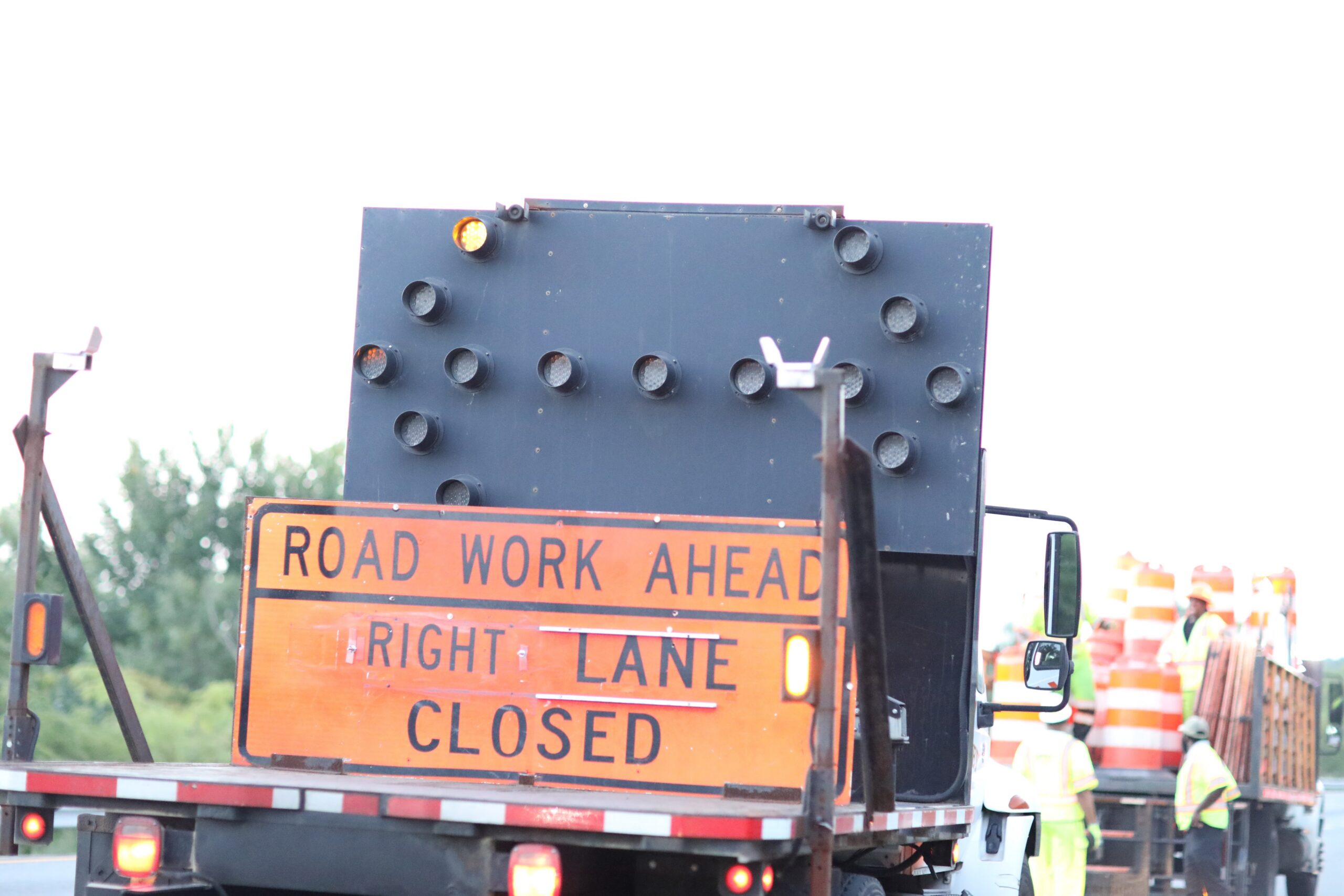
Arrow boards and message boards help communicate changing traffic conditions to drivers before they reach the work zone. Truck-mounted attenuators provide additional protection for crews operating near active traffic lanes. Certified flaggers help direct traffic safely through areas where lanes shift or visibility is limited.
Spivey also provides traffic control equipment rentals that allow contractors to scale their work zone setup based on project needs and duration.
Adapting Traffic Control Solutions to Different Projects
No two projects operate under the same conditions. Utility repairs on a residential roadway require a different approach than highway construction or municipal infrastructure work.
Traffic volume, road width, speed limits, pedestrian access, and project duration all affect how a work zone should be managed. In urban environments, traffic control may also need to account for businesses, intersections, and public transportation routes.
Spivey works across a variety of traffic control environments and project types, helping contractors and municipalities develop solutions that fit the realities of the job site.
Why Experience Matters in Work Zone Safety
Traffic control requires more than equipment delivery. Conditions in active work zones can change quickly, especially on long-term projects or high-traffic roads.
Experienced crews understand how to adapt to changing conditions while maintaining safe traffic flow and compliance with project requirements. Proper setup, visibility, communication, and ongoing adjustments all contribute to safer and more efficient operations.
Working with a professional provider helps reduce risk, improve coordination, and keep projects moving on schedule.
Get Traffic Control Solutions for Your Project
If your project involves roadway work, lane closures, or active traffic management, having the right traffic control solutions in place is essential. A properly planned work zone helps protect workers, maintain compliance, and reduce disruption for the public.
Spivey Services supports construction and infrastructure projects across Virginia with experienced crews, reliable equipment, and practical traffic control planning. To discuss your project or request pricing, visit Get a Quote.
Frequently Asked Questions
What are traffic control solutions?
Traffic control solutions include the planning, equipment, and personnel used to safely manage vehicle and pedestrian traffic around work zones.
When are traffic control solutions required?
They are typically required whenever construction, utility work, or maintenance activities impact normal traffic flow or roadway access.
What equipment is commonly used in traffic control?
Common equipment includes cones, barricades, signage, arrow boards, message boards, and truck-mounted attenuators.
Why are traffic control plans important?
Traffic control plans help organize traffic flow, improve work zone safety, and ensure compliance with MUTCD and local requirements.