
Traffic Control Services: What’s Included and How to Plan Your Project
Traffic control services are a critical part of any project that affects roadways, traffic flow, or public access. Whether you are managing utility work, road construction, or infrastructure improvements, proper traffic control keeps crews safe, maintains compliance, and helps projects move forward without unnecessary disruption.
Across Virginia, traffic patterns can vary widely between regions like Hampton Roads, Richmond, and more rural areas. Planning ahead and working with an experienced provider ensures your project stays aligned with safety standards and local requirements from the start.
What Traffic Control Services Include
Traffic control services cover everything needed to safely guide vehicles and pedestrians through or around a work zone. This includes planning, equipment, and trained personnel working together to maintain safe and efficient movement.
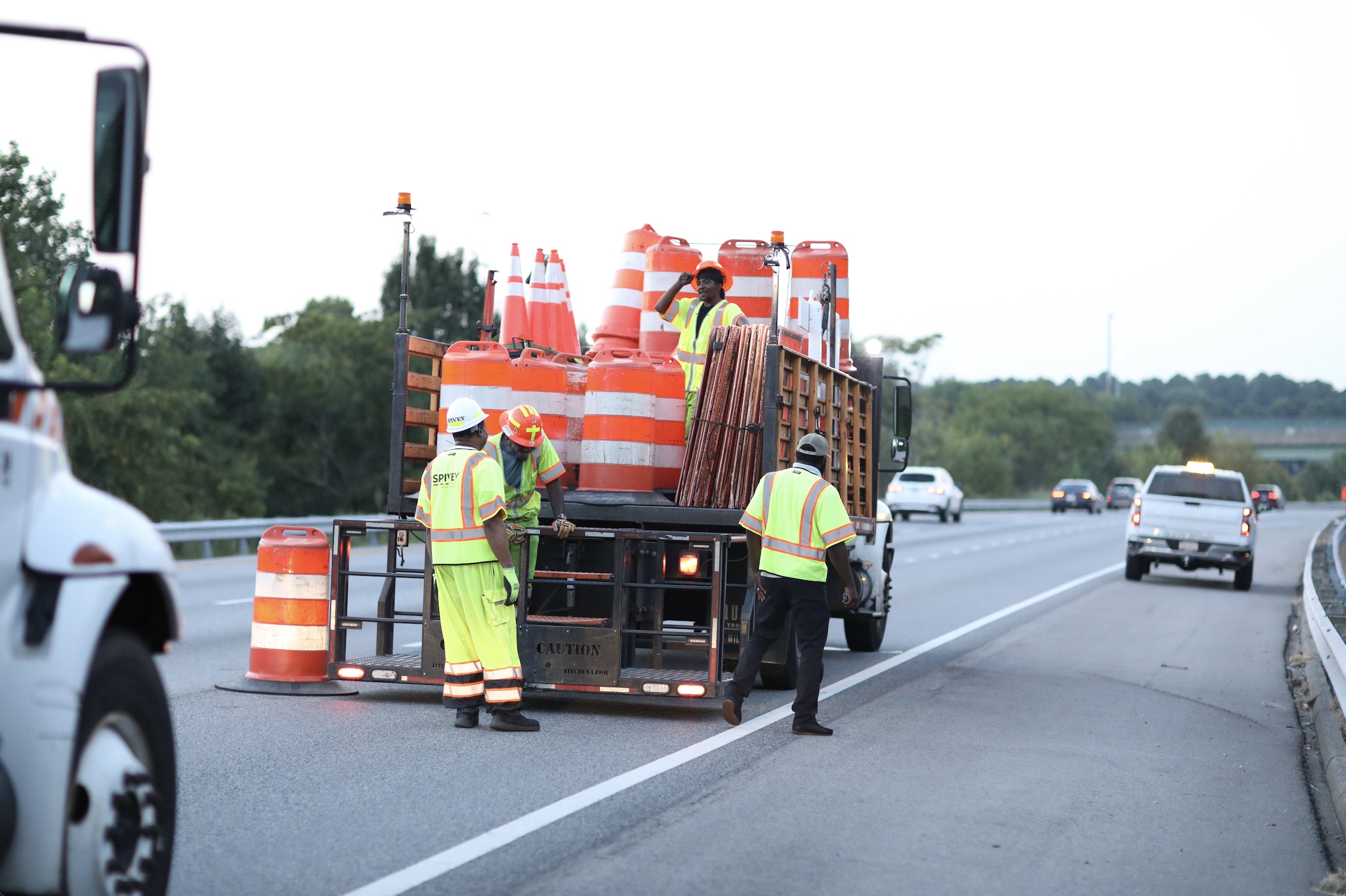
At a basic level, this can involve setting up cones, signage, and barricades. On more complex projects, it may include lane closures, detours, and coordinated traffic control plans that account for traffic volume, road conditions, and project timelines. Spivey Services provides full traffic control services designed to support projects of all sizes across Virginia.
Equipment such as arrow boards, message boards, and truck-mounted attenuators are often used to improve visibility and protect workers in active work zones. Certified flagging crews are also essential when traffic needs to be manually directed through changing conditions.
When Traffic Control Services Are Required
Any project that impacts a roadway, shoulder, or public right-of-way typically requires some level of traffic control. This includes road construction, utility work, maintenance projects, and even certain types of event setups.
In Virginia, projects often need to comply with guidelines set by VDOT and national standards for work zone safety. This means traffic control is not just a recommendation. It is a requirement for maintaining safe conditions for both workers and the public.
Spivey supports a wide range of industries and project types, including construction contractors, municipalities, and infrastructure teams working across the state.
Traffic Control Plans and Compliance
A traffic control plan outlines how traffic will be managed throughout the duration of a project. This includes lane configurations, signage placement, detour routes, and safety measures for both vehicles and pedestrians.
These plans are typically developed in accordance with the Manual on Uniform Traffic Control Devices (MUTCD), which sets national standards for traffic control in work zones. You can review these guidelines here: MUTCD standards.
A well-prepared plan helps reduce confusion, prevent accidents, and ensure compliance with local and federal requirements. It also provides a clear framework for crews to follow as conditions change throughout the project.
Equipment and Personnel in the Field
Effective traffic control services rely on both the right equipment and experienced personnel. Signage and barricades establish clear boundaries, while arrow boards and message boards provide advanced warning to drivers.
Flaggers play a key role in maintaining safe flow when lanes are reduced or traffic patterns shift. Their ability to communicate clearly with drivers helps prevent delays and keeps work zones operating smoothly.
Spivey also offers traffic control equipment rentals, allowing projects to scale their setup based on specific needs and timelines.
Planning for a Successful Project
Good traffic control services start before any equipment is placed on-site. It involves understanding traffic volume, identifying potential hazards, and coordinating timing to minimize disruption.
In areas like Chesapeake and Hampton Roads, where traffic congestion can change quickly, planning becomes even more important. The same is true for urban environments like Richmond, where pedestrian traffic and tight roadways require careful coordination.
Working with a provider who understands local conditions helps ensure your setup is both effective and compliant from day one.
Why Work With a Professional Traffic Control Provider
Traffic control services are not something to improvise. It requires experience, proper certification, and an understanding of how to manage changing conditions in real time.
A professional provider handles everything from planning and permitting to setup and ongoing adjustments. This reduces risk, improves safety, and helps keep your project on schedule.
Spivey Services has built a reputation for reliable, well-executed traffic control services across Virginia. Their crews understand the demands of active work zones and bring the equipment and expertise needed to support complex projects.
Get Traffic Control Services for Your Project
If your project involves roadways, utilities, or public access, having the right traffic control services in place is essential. Proper planning and execution help protect your team, maintain compliance, and keep everything moving efficiently.
Spivey Services can help you plan and execute a traffic control setup tailored to your project. To get started, you can request details and pricing here: Get a Quote.
Frequently Asked Questions
What are traffic control services?
Traffic control services include planning, equipment, and personnel used to safely guide traffic through or around work zones.
When is a traffic control plan required?
A traffic control plan is typically required for any project that impacts a roadway or public right-of-way.
What equipment is used in traffic control?
Common equipment includes cones, signage, barricades, arrow boards, message boards, and attenuator trucks.
Do I need certified flaggers for my project?
In many cases, yes. Certified flaggers are required when traffic must be actively directed through a work zone.