
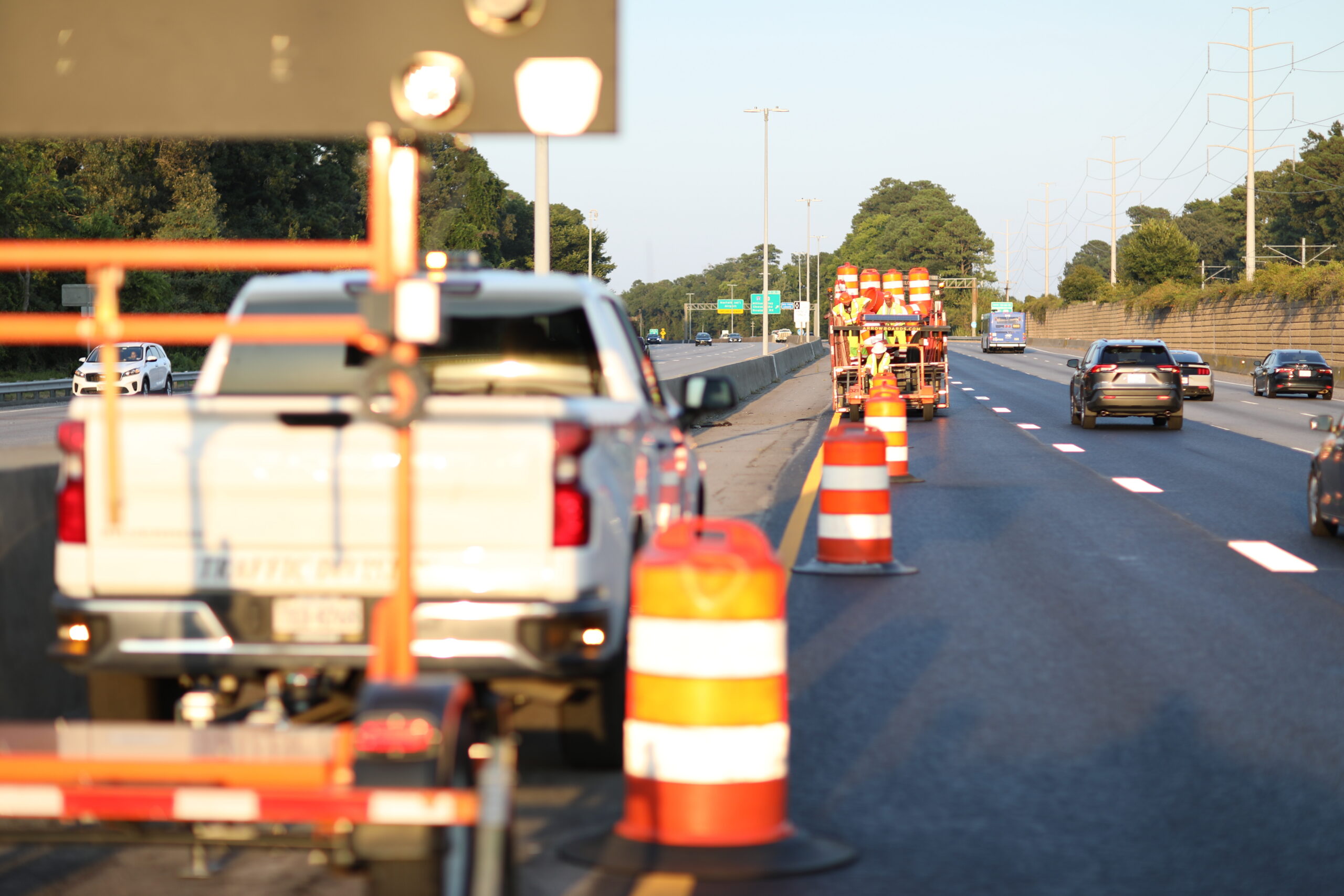
Traffic control equipment plays a critical role in keeping construction sites safe and organized. Any time roadwork, utility work, or infrastructure projects take place near active traffic, crews need a system that protects workers while guiding drivers safely through or around the work zone. The right equipment helps reduce confusion, prevent accidents, and keep projects moving without unnecessary disruptions.
Contractors and project managers often rely on experienced traffic control providers to supply the equipment and planning needed for these environments. Whether the project involves a short-term lane closure or a large infrastructure project, understanding the most common types of traffic control equipment helps ensure the work zone is properly set up and compliant with safety standards.
Why Traffic Control Equipment Matters
Construction zones introduce changing traffic patterns, reduced visibility, and unexpected obstacles for drivers. Without clear direction and proper barriers, the risk of accidents increases significantly. Traffic control equipment provides visual guidance and physical separation that keeps both workers and motorists safer.
In Virginia, traffic control setups must also follow guidelines established by the Manual on Uniform Traffic Control Devices. The MUTCD sets national standards for signage, barricades, channelization devices, and other work zone safety measures. These standards help ensure drivers encounter familiar and consistent signals no matter where construction takes place.
For contractors working throughout Virginia, properly selected traffic control equipment is an important part of maintaining compliance and minimizing liability on job sites.
Cones and Channelizing Devices
Traffic cones are one of the most recognizable pieces of traffic control equipment. These highly visible orange markers are used to guide vehicles through lane shifts, temporary detours, and narrowed travel lanes. Cones help create temporary boundaries that direct traffic away from work crews and equipment.
In many work zones, cones are combined with other channelizing devices such as drums or vertical panels. These devices are larger and more visible than standard cones, which makes them particularly useful on high-speed roadways or large construction projects.
Proper placement of these devices is important. Spacing, visibility, and taper length all play a role in helping drivers transition smoothly through the work zone.
Warning Signs and Work Zone Signage
Advance warning signs are another essential part of traffic control equipment. Before drivers reach a construction area, they need clear notice that traffic patterns are changing ahead. Signs such as “Road Work Ahead,” “Lane Closed,” and “Flagger Ahead” provide that early warning.
Temporary signs are typically placed well before the work zone begins so drivers have time to slow down and adjust their position on the roadway. Proper signage placement helps prevent sudden braking, confusion, and dangerous lane changes.
Many construction projects also require portable message boards that provide real-time information to drivers about upcoming lane closures or delays.
Barricades and Barriers
Barricades provide a more substantial physical boundary within a work zone. These structures help close off lanes, guide traffic around hazards, and block access to areas where vehicles should not enter.
There are several types of barricades commonly used on construction sites, ranging from lightweight portable barricades to more robust barriers used for long-term roadwork. In some cases, water-filled barriers or concrete barriers are used to create a strong separation between traffic and active work areas.
Proper barricade placement helps prevent vehicles from accidentally entering dangerous areas and adds another layer of protection for workers.
Truck Mounted Attenuators
Truck mounted attenuators, often called TMAs, are specialized safety vehicles designed to protect workers from rear-end collisions. These vehicles are equipped with a crash cushion mounted to the back of a truck.
When positioned behind a work crew, the attenuator absorbs impact energy if a vehicle strikes the truck from behind. This helps reduce the severity of the crash and protects workers who may be operating equipment or performing tasks nearby.
TMAs are commonly used during mobile operations such as road striping, maintenance work, or short-term lane closures.
Arrow Boards and Message Boards
Electronic arrow boards are used to guide traffic through lane closures. These illuminated panels display directional arrows or flashing patterns that signal drivers to merge left or right.
Portable message boards serve a similar purpose but allow operators to display text messages to drivers. These boards are often used on highways or major roadways where advance notice of delays or detours is necessary.
Both types of equipment improve visibility and communication within the work zone, especially in low-light conditions or high-speed traffic environments.
Planning Traffic Control for Construction Projects
Choosing the right traffic control equipment is only one part of a safe work zone setup. Effective planning also requires evaluating roadway conditions, traffic volume, speed limits, and project duration. These factors influence how equipment is placed and what additional safety measures may be required.
Many contractors rely on professional traffic control providers to develop temporary traffic control plans and manage the equipment setup. Experienced crews understand how to design safe lane closures, manage flagging operations, and maintain compliance with industry standards.
Spivey Services provides traffic control services and equipment support for projects across Virginia. Contractors can also learn more about available traffic control equipment rentals or request assistance with planning a work zone.
For official guidelines on traffic control standards, contractors can review the Manual on Uniform Traffic Control Devices, which outlines the national requirements used for road construction and work zone safety.
Working With an Experienced Traffic Control Provider
Setting up traffic control equipment properly requires experience, planning, and a clear understanding of safety regulations. From temporary lane closures to complex infrastructure projects, the right equipment and trained crews help keep work zones organized and reduce risk for everyone involved.
Spivey Services works with contractors, municipalities, and infrastructure teams throughout Virginia to provide reliable traffic control solutions. If your project requires equipment rentals, flagging crews, or help planning a work zone, you can request a quote to discuss your project.
FAQ
What is traffic control equipment?
Traffic control equipment includes devices used to guide vehicles and protect workers in construction zones. Common examples include cones, warning signs, barricades, arrow boards, and truck mounted attenuators.
Why is traffic control equipment important on construction sites?
Traffic control equipment helps direct drivers safely through changing road conditions while protecting construction crews working near active traffic.
Who is responsible for setting up traffic control equipment?
In many projects, contractors hire professional traffic control companies to design and implement temporary traffic control plans that comply with safety regulations.
What standards regulate work zone traffic control?
Work zone traffic control in the United States follows standards outlined in the Manual on Uniform Traffic Control Devices, which provides guidance on signage, device placement, and safety procedures.