
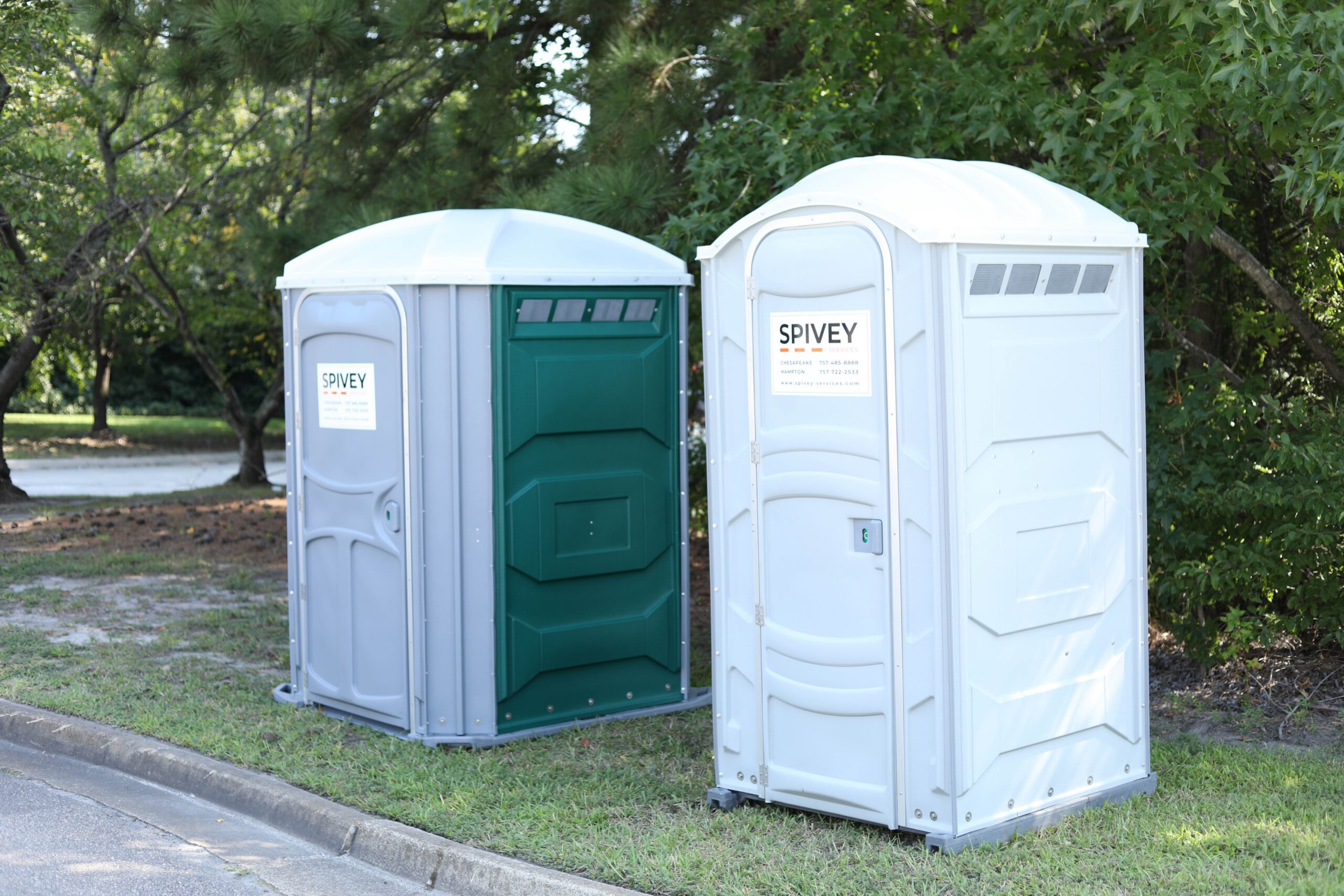
Porta Potty Rental: What You Actually Need for Your Job Site or Event
Planning a porta potty rental sounds simple until you actually have to decide how many units you need, where they should go, and what type makes sense for your situation. Whether you are managing a construction site or organizing an event, the right setup can make a noticeable difference in comfort, efficiency, and overall experience.
In Virginia, both job sites and public events often require thoughtful sanitation planning. Choosing the right equipment upfront helps avoid issues later, from long lines at events to compliance concerns on construction projects.
What Goes Into a Proper Porta Potty Rental
Every site is different, but most porta potty rental decisions come down to a few practical factors: how many people will be on-site, how long they will be there, and what level of comfort is expected. A small residential job may only need a basic unit, while a multi-day event or large construction project will require a more structured setup.
For construction sites, portable toilet rentals are typically used daily by crews working long hours. Durability and service frequency matter most. For events, the focus shifts slightly toward guest experience, which may include upgraded units or additional features like hand wash stations and accessories. You can explore different unit options directly on Spivey’s portable toilet rental page.
How Many Portable Toilets Do You Need?
One of the most common questions around porta potty rental is quantity. While there is no universal number that fits every situation, a general rule is to base your count on the number of people and the duration of use.
For events, planners often underestimate demand. A good starting point is to consider peak attendance and ensure enough units to prevent long wait times. If food and beverages are involved, usage increases and additional units are usually necessary.
For construction sites, guidelines are often tied to workforce size. According to OSHA sanitation standards, employers must provide an adequate number of facilities to maintain sanitary conditions. You can review those requirements here: OSHA sanitation guidelines.
If you are unsure, working with a provider who understands local projects can help you dial in the right number from the start.
Placement Matters More Than You Think
Where you place your units can affect both usability and maintenance. Toilets should be positioned in accessible areas that are easy to service but not disruptive to traffic flow or event layout.
On construction sites, units are often placed along the perimeter or near staging areas so crews can access them without slowing down operations. At events, placement is more strategic. Units should be easy to find but not front-and-center, and they should be distributed to avoid crowding in one area.
Level ground is important for stability, and access for service trucks should always be considered. If servicing is difficult, cleanliness can suffer over time.
Sanitation and Maintenance Considerations
A porta potty rental is not just about delivery. Ongoing service is what keeps units clean, stocked, and usable. This is especially important for longer-term rentals or high-traffic events.
Regular cleaning, waste removal, and restocking supplies all play a role in maintaining a good experience. For larger setups, adding hand wash stations or sanitizer units can improve overall hygiene and meet expectations for public events. Spivey also offers additional options through their sanitation accessories to support different environments.
Choosing the Right Setup for Your Situation
Not every project needs the same level of equipment. A basic portable toilet rental may be perfectly fine for a short-term job site, while a wedding or festival may benefit from upgraded restroom trailers or enhanced units.
Understanding your audience helps guide the decision. Construction crews prioritize reliability and convenience. Event guests expect a cleaner, more comfortable experience. In some cases, a combination of standard units and upgraded options works best.
If you are planning across multiple needs, Spivey’s industries served page can help you see how different setups apply to construction, events, and other use cases.
When to Work With a Professional Provider
There is a big difference between simply renting equipment and having a partner who understands site logistics. A professional provider can help you determine the right number of units, recommend placement, and ensure everything stays serviced throughout the duration of your project or event.
This is especially important for larger or more complex setups, where small miscalculations can lead to noticeable problems.
If you are planning a project in Virginia, working with a local provider who knows the region can simplify the process and help you avoid common pitfalls.
Get the Right Porta Potty Rental for Your Project
Whether you are coordinating a construction site or planning an event, the right porta potty rental setup keeps everything running smoothly behind the scenes. It supports your team, improves the experience for guests, and helps maintain clean, compliant conditions.
If you need help planning your setup, Spivey Services can walk you through your options and make sure you have exactly what you need. You can request details or pricing directly here: Get a Quote.
Frequently Asked Questions
How far in advance should I book a porta potty rental?
It is best to book as early as possible, especially during peak construction and event seasons. This helps ensure availability and allows time to plan the right setup.
How often are portable toilets serviced?
Service frequency depends on usage. High-traffic sites may require multiple cleanings per week, while smaller projects may only need weekly service.
Can porta potty rentals be placed anywhere?
Units should be placed on level ground with access for service vehicles. Local regulations or site conditions may also affect placement.
Do I need hand wash stations with my rental?
For many events and job sites, adding hand wash stations or sanitizer units is recommended to improve hygiene and meet expectations.